




Best Locks for Front Doors Explained
A front door can look solid and still be the weak point of the whole house. We see it constantly: a smart-looking door let down by a tired euro cylinder, a loose handle, or a lock that technically works but would not hold up if someone tried their luck. When people ask about the best locks for front doors in the UK, they usually want a brand name. The honest answer depends far more on the type of door, the security standard the lock is tested to, and how well the whole door set works together.
At Max the Locksmith we fit and repair front-door locks every day across Nottingham, Derby, Mansfield and Loughborough, and the pattern is clear. The best lock is not the most expensive one; it is the one that suits your door, meets a recognised standard, and works reliably every single day. This guide walks through what actually improves front-door security, matched to the door you have, with the British Standards and certifications that matter.
What makes a good front door lock?
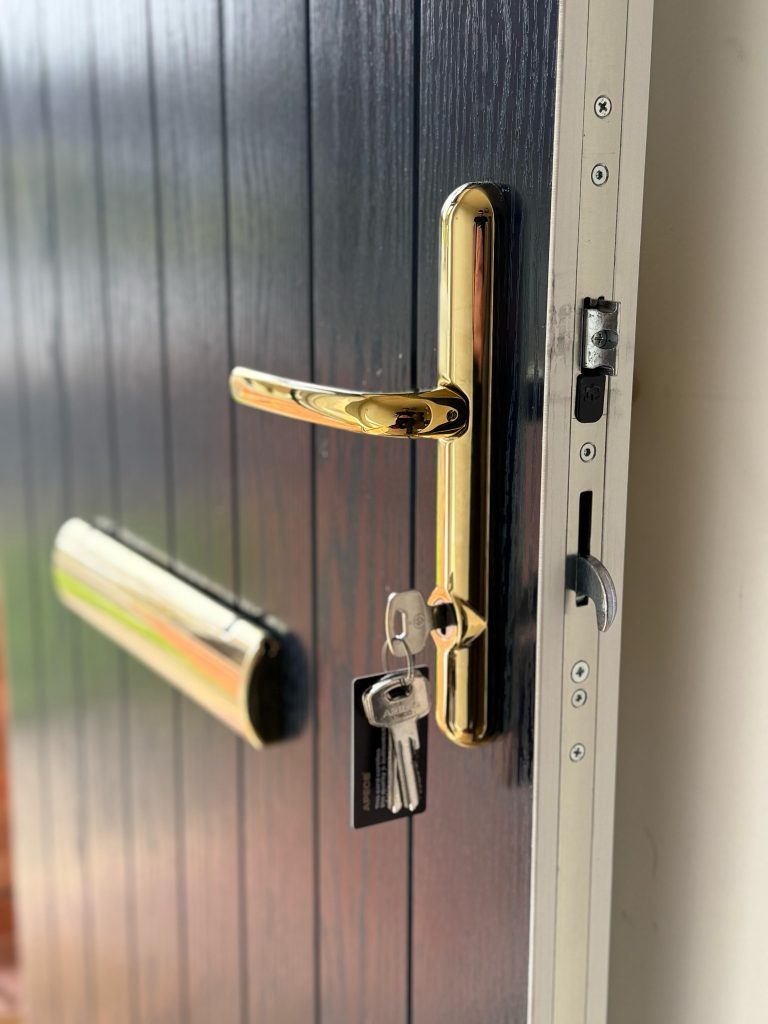
Strip away the marketing and a good front-door lock does three things. First, it resists the common attack methods: snapping, drilling, bumping and picking. Second, it operates dependably, without sticking or needing to be jiggled. Third, it is fitted correctly by someone who understands doors and mechanisms, not just locks, because a high-security lock on a poorly aligned door will still give you trouble.
British Standards and independent certifications are your shortcut to the first of those. If a lock carries the right rating, it has been tested to a recognised level rather than simply described as secure on the box. Two ratings matter most for UK front doors:
- BS3621 — the British Standard for mortice and nightlatch-style locks, requiring at least five levers and carrying a BSI Kitemark. Many home insurers specify it on final-exit doors.
- TS007 3-star and SS312 Diamond — the standards for anti-snap euro cylinders. A 3-star cylinder, or a 1-star cylinder paired with 2-star security handles, resists snapping, drilling, picking and bumping.
The best lock depends on the door
This is where most people go wrong. They search for one perfect lock, but the best choice for a timber front door is completely different from the best choice for a uPVC or composite one.
Timber front doors
On a traditional wooden front door, a British Standard five-lever mortice lock is usually the strongest choice. A mortice deadlock is key-operated and offers clean, straightforward security; a mortice sashlock combines a deadbolt with a latch so one lock does both jobs. Either way, look for the BS3621 Kitemark, which is also what most insurers want to see.
Fitting is everything here. Cut too much timber from the edge of the door and you weaken it; fit the keep badly and the lock never feels right. A good mortice lock should throw cleanly and leave the door closing without force. A quality deadlocking nightlatch can be a useful partner to a mortice lock for everyday convenience, but a basic nightlatch on its own is not enough for front-door security.
uPVC and composite front doors
These doors use a multipoint locking system, operated by lifting the handle and turning the key, which bolts the door into the frame at several points. In most cases the weak spot is not the locking strip but the euro cylinder fitted into it. A standard cylinder can be snapped in seconds.
So the best upgrade for the vast majority of uPVC and composite front doors is a high-security anti-snap euro cylinder rated to TS007 3-star or SS312 Diamond. Sizing is critical: a cylinder that protrudes too far from the handle is far easier to grip and attack, so it must be measured to sit flush. Good security handles add a further layer by shielding the cylinder.
Best front-door locks by type
Here is how the main options compare, with the door types they suit best.
| Lock type | Best for | Standard to look for |
|---|---|---|
| Anti-snap euro cylinder | uPVC and composite doors | TS007 3-star or SS312 Diamond |
| Five-lever mortice deadlock/sashlock | Timber doors | BS3621 (BSI Kitemark) |
| Deadlocking nightlatch | Timber doors, alongside a mortice lock | BS3621 for the higher-security versions |
| Multipoint locking system | uPVC and composite doors | Cylinder rating plus a sound mechanism |
| Smart lock | Keyless access, rentals, controlled entry | Check the underlying lock is certified |
Anti-snap euro cylinders
For most modern doors this is the most worthwhile upgrade full stop. They are designed to break in a controlled way, sacrificing the outer section to protect the internal mechanism if someone tries to snap the cylinder. They are not all equal, though: some budget cylinders claim security features without the tested protection, so choose one with recognised TS007 3-star or SS312 Diamond certification rather than relying on packaging.
Five-lever mortice locks
These remain one of the best choices for solid timber doors. A deadlock gives simple, key-operated security; a sashlock adds a latch for everyday use. The trade-off is convenience, which is why many households pair a mortice deadlock, engaged when the house is empty, with a nightlatch for quick exits.
Multipoint locking systems
Common on uPVC and composite doors, these can be very secure when working properly, locking the door into the frame at several points for both security and weather sealing. The catch is that people often blame the cylinder when the real fault is the mechanism, the alignment or worn handles. If the door is stiff, drops when opened, or needs force to lock, replacing the cylinder alone will not fix it; the answer may be a door repair, an adjustment, or a mechanism replacement.
Smart locks
Smart locks get plenty of attention, but they are not automatically the best locks for front doors. They earn their place when you genuinely need keyless access, temporary codes for tenants, or a record of who comes and goes, which can be useful for landlords and small businesses. But they bring trade-offs: battery dependence, app reliability, compatibility and door fit all matter. Some are better suited to internal access control than to a primary front door. If you are considering one, ask the hard question first: if the lock loses power or the app fails, how do you get in, and how easy would it be to override securely? Where a smart lock uses a euro cylinder, make sure that cylinder is still anti-snap rated.
Features worth paying for
Security marketing gets noisy, so focus on the features that make a real difference:
- Anti-snap, anti-drill and anti-bump protection on euro cylinders, especially where the cylinder profile is exposed.
- BS3621 compliance and proper installation on mortice locks, which matter far more than wording on the box.
- Security handles that shield the cylinder on uPVC and composite doors; a loose or poor handle undermines even a good cylinder.
- Restricted key systems if you want tight control over who can copy keys, which suits landlords and shared properties.
When replacing the lock is not enough
A lock can only do so much if the rest of the door is struggling. We regularly find front doors that have developed alignment problems over time. The owner notices the key getting harder to turn or the handle needing more force and assumes the lock has worn out. Sometimes it has; just as often the door has dropped, the keeps are out of line, or the mechanism is straining. Fit a new lock to a door that does not close cleanly and the new hardware wears faster and may fail early, which is why front-door security is best assessed as a whole rather than a single part.
After a lost key, a tenancy change, or a break-in attempt, replacement is often the right move even if the old lock still works, because security is not only about whether a key turns. It is also about who might still have access. Our after-burglary service and lock replacement service both cover these upgrades.
When to call a locksmith
It is worth getting professional advice rather than guessing, particularly when:
- You are not sure whether your current locks meet BS3621 or your insurer’s requirements.
- Your uPVC or composite door still has a standard, non-anti-snap cylinder.
- The door is stiff, dropping, or needs force to lock, which points to more than the lock.
- You have lost keys, changed tenants, or had an attempted break-in.
- You are weighing up a smart lock and want to know if it suits your door.
A locksmith who works on front doors every day, rather than locks in isolation, will match the right lock to your door and fit it so it lasts. For urgent situations our emergency locksmiths in Nottingham attend the same day.
What fitting the right lock costs
Max charges a flat £85 plus parts if any are needed, with no call-out fee and no out-of-hours surcharge, and the same price across Nottingham, Derby, Mansfield, Loughborough and the surrounding East Midlands. The part is the only real variable: a standard cylinder is inexpensive, an anti-snap cylinder rated to TS007 3-star or SS312 Diamond costs a little more, and a BS3621 mortice lock sits higher again. Max advises on the best lock for your specific door, agrees the price before any work starts, and completes most jobs in a single visit, with a twelve-month warranty on parts and labour. You can see the full areas we cover for more.
Frequently asked questions
What is the best lock for a front door in the UK?
It depends on the door. For timber front doors, a BS3621 five-lever mortice lock is usually best and is what most insurers want. For uPVC and composite doors, a high-security anti-snap euro cylinder rated to TS007 3-star or SS312 Diamond is the most worthwhile upgrade. Matching the lock to the door, and fitting it correctly, matters more than any single brand name.
What lock do I need to satisfy my home insurance?
Most UK insurers specify British Standard locks on final-exit doors, typically BS3621, which is marked with a BSI Kitemark. On uPVC and composite doors, a certified anti-snap cylinder is often expected. Requirements vary between insurers, so it is always worth reading your policy wording and asking a locksmith to confirm your current locks meet it.
Are anti-snap cylinders really necessary?
For uPVC and composite front doors, yes. Standard euro cylinders can be snapped in seconds, and lock snapping is one of the most common ways burglars defeat these doors. An anti-snap cylinder rated to TS007 3-star or SS312 Diamond sacrifices its outer section under attack and keeps the door locked. It is one of the cheapest, most effective security upgrades available.
Are smart locks a good idea for a front door?
They can be, if you specifically need keyless entry, temporary codes, or a log of access, which suits some landlords and businesses. But consider battery life, app reliability and how you would get in if the lock failed. For many homes a certified anti-snap cylinder or BS3621 mortice lock gives stronger, simpler security. If you do fit a smart lock, make sure any euro cylinder it uses is still anti-snap rated.
Can you upgrade my lock without replacing the whole door?
In almost all cases, yes. On uPVC and composite doors we can fit a high-security cylinder or replace the multipoint mechanism without touching the door itself. On timber doors we can fit or upgrade a mortice lock and nightlatch. Replacing the door is rarely necessary just to improve the lock, though we will always flag it if the door itself is the real problem.
Sorted? What most readers check next
- Lock installation — TS007 3★ anti-snap & BS3621 insurance-grade
- Locksmith prices in Nottingham — the transparent 2026 guide
- Landlords: Changing Locks Between Tenants (Best Practice)
- Insurance Approved Door Locks: BS3621 Explained
Need it sorted today? Call 07552 421433 — £85 + parts (+ VAT), no call-out fee, same price 7 days.