




Can Old Locks Be Repaired Instead of Replaced?
It’s one of the most common questions we’re asked on the doorstep: can old locks be repaired, or do they have to be replaced? The honest, experience-backed answer is that most old locks can be repaired — and age, on its own, is almost never the deciding factor. A lock that’s been on a Nottingham front door for twenty years isn’t automatically past it, and a five-year-old mechanism isn’t automatically worth saving. What actually matters is what has worn, whether the parts are still available, and whether the lock still offers sensible security. Get those three things right and a tired old lock can be brought back to working like new, often for a fraction of the cost of ripping it out. This guide explains when repair is the right call, when replacement genuinely makes more sense, and why we approach every job repair-first.
That repair-first stance isn’t a slogan — it’s how a good locksmith works. Replacing a whole locking system when a single worn part is the problem is easy money and bad practice. The skill is in diagnosing precisely what’s failed and fixing exactly that.
Why age isn’t the deciding factor
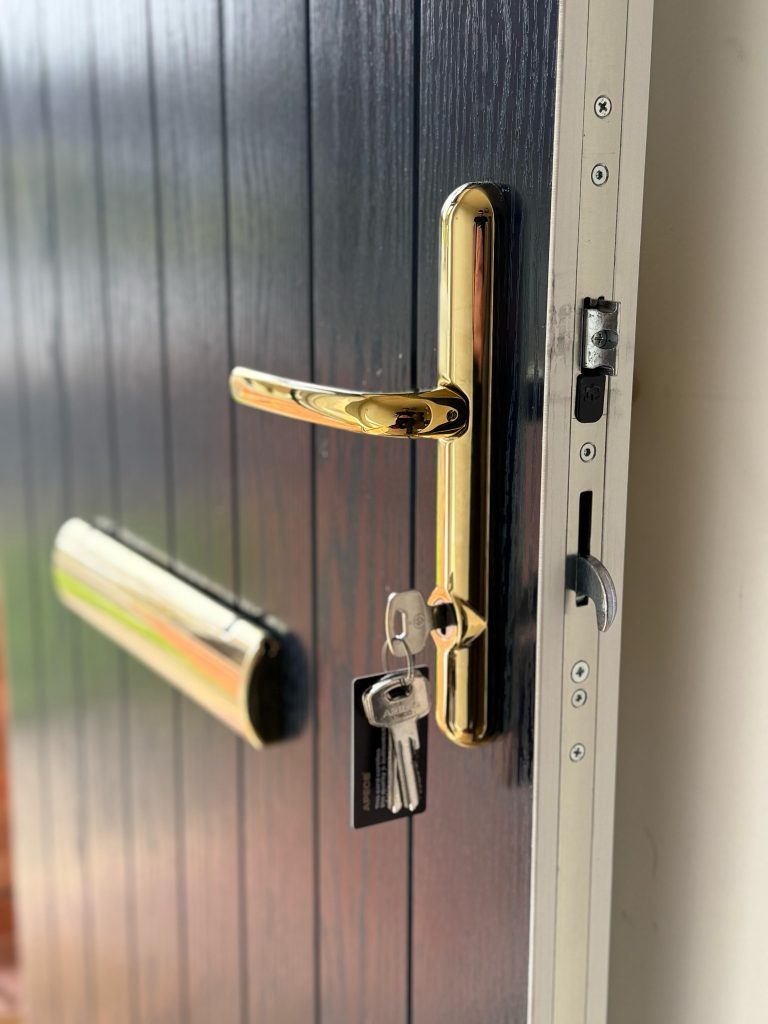
People assume an old lock must be worn out, but locks are mechanical and most of their parts are serviceable. A lock is not like a phone that goes obsolete — it’s a set of springs, levers, pins, cams and cylinders, and when one of those wears, it can usually be adjusted or swapped without disturbing the rest. Plenty of the mortice locks and night latches on older timber doors across the city were built to last decades and simply need cleaning, easing and a worn component replaced.
What genuinely decides repair versus replace is a short list: which part has worn, whether spare parts are still made, and whether the lock still meets modern security standards. A well-made lock with one failed component is a repair. A cheap lock that’s worn through, or one so old that no compatible parts exist, or one that would fail an insurer’s security requirement — those lean towards replacement. Notice that “how old is it?” isn’t on that list. “What’s wrong with it, and is it still fit for purpose?” is.
The locks that repair like new
Across the doors we see every week, most faults are single-component problems that repair cleanly:
- Worn or damaged euro cylinders — the barrel the key turns. One of the most common fixes, and swapping it leaves the rest of the door untouched.
- Stiff or sticking cylinders from dirt or wear — often cleaned, lubricated and eased, or the cylinder replaced if the pins have gone.
- Loose, dropping or floppy handles — usually a tightened or replaced spindle, refitted screws, or a new handle spring, not a whole new lock.
- Tired multipoint mechanisms on uPVC and composite doors — frequently repaired or the centre case replaced without changing the whole strip.
- Doors that only lock when lifted or shoved — nearly always alignment, corrected by adjusting hinges and keeps rather than replacing anything.
- Worn mortice locks and night latches on timber doors — springs, levers and strike plates serviced or renewed.
In each of these, the “old lock” isn’t really the enemy — a specific worn part is, and dealing with that part restores the whole door. That’s the everyday reality of door lock repair: precise fixes, not wholesale replacement.
When repair is the right call
Repair is usually the sensible choice when the core of the lock is sound and the trouble is confined to wear, dirt, alignment or a single failed component. If the cylinder is damaged but the rest of the door gear is fine, you replace the cylinder. If a multipoint mechanism has failed internally, the centre case or the affected part can often be renewed without changing everything. If the door has dropped, adjusting it can transform how the lock feels with no new parts at all.
The advantages of repairing are real: it costs less, it disturbs less of the door, it keeps hardware that’s often better made than a cheap modern replacement, and it usually gets you working again the same visit. For a lock that’s original to a period timber door, repair also keeps the character intact — a consideration on older properties around the county.
When replacement makes more sense
We’re not in the business of nursing a lock that shouldn’t be saved. Replacement is the better route when:
- The hardware is worn through — not one failed part, but a lock that’s reached the genuine end of its life across the board.
- Parts are no longer available — some older or obscure mechanisms simply can’t be sourced, and a repair that can’t be completed isn’t a repair.
- The lock has been forced or damaged in a break-in attempt — its integrity may be compromised even if it still turns.
- It doesn’t meet modern security standards — an older cylinder with no anti-snap protection, or a lock that wouldn’t satisfy a home insurance requirement, is worth upgrading regardless of whether it technically works.
In these cases, replacement is the honest recommendation, and our lock replacement service covers fitting hardware that’s right for the door and up to current standards. The point is that replacement should be a considered decision based on the lock’s condition and security — not a default because it’s the pricier option.
Repair or replace? A quick guide
| Situation | Usual verdict | Why |
|---|---|---|
| Old lock, one worn part, otherwise sound | Repair | Fix the failed component, keep the rest |
| Stiff or sticking from dirt or a dropped door | Repair / adjust | Clean, lubricate or realign — often no new parts |
| Well-made lock, spare parts available | Repair | Serviceable and cost-effective |
| Worn through across the whole lock | Replace | Genuine end of life |
| Parts no longer manufactured | Replace | Repair can’t be completed reliably |
| Forced, damaged, or below current security standards | Replace / upgrade | Security comes first |
Our repair-first ethos, and why it saves you money
Every job starts with a proper diagnosis rather than an assumption. We look at the whole door as a system — cylinder, handle, spindle, multipoint mechanism, keeps, hinges and alignment — because a fault in one place often shows up as a symptom somewhere else. A dropped door can make a healthy cylinder feel like it’s failing; a tiring mechanism can make a good handle feel heavy. Swap the wrong part and the problem comes straight back, so getting the diagnosis right is where the money is genuinely saved.
From there, the rule is simple: fix what can be fixed, and only recommend replacement where it’s genuinely warranted. That approach respects your money, it’s better for the door, and it’s better for the environment than throwing away serviceable hardware. It’s also, frankly, how we’d want a tradesperson to treat our own homes. If replacement is the right answer, we’ll explain exactly why — and if a repair will do, we’ll say so and price it accordingly.
What a good diagnosis looks like
When we assess an old lock, we’re answering a sequence of practical questions. Is the fault the cylinder, or something driving it? Are the springs and levers inside still working? Has the door dropped, and are the keeps and hinges in good order? Are compatible parts available? And does the lock still offer the security you’d reasonably expect? By the end of that assessment we can tell you plainly whether it’s a repair or a replacement, what parts are involved, and what it’ll cost — before any work begins. That clarity is the whole point: no pressure, no upselling, just a straight answer about your particular lock and door.
When to call a locksmith
It’s worth getting an old lock looked at rather than guessing, especially before you assume it needs replacing. Call in a professional if the key is becoming stiff or has to be jiggled, if the handle is dropping or floppy, if the door only locks when lifted or shoved, if the lock feels gritty or grinds, or if the key spins without the door locking. Any of these can be an early-stage repair if caught in time — and a bigger job if left. If the lock was damaged in an attempted break-in, have it assessed straight away, because the whole door may need attention rather than just the barrel; our after-burglary service covers exactly that. And if you’re locked out or the door won’t secure right now, our emergency locksmiths in Nottingham reach most of the area quickly.
What it costs to repair an old lock
The pricing is deliberately simple and it doesn’t change with the age of your lock or the time of day: £85 plus parts if any are needed, with no call-out fee and no out-of-hours surcharge. It’s the same price right across the coverage area — Nottingham, Derby, Mansfield, Loughborough and the surrounding towns and villages listed on our areas covered page. Max diagnoses the fault, tells you honestly whether it’s a repair or a replacement, agrees the price before starting, and completes most jobs in a single visit by carrying the common cylinders and mechanisms as standard. Every job is handled by a certified, DBS-checked, Checkatrade-approved and fully insured locksmith with more than 600 local reviews — and always with the repair-first approach at the heart of it.
The bottom line on repairing old locks
Can old locks be repaired? In the great majority of cases, yes — and the ones that can’t are usually let down by unavailable parts or outdated security, not by age itself. A lock that’s stiff, dropping, sticking or grinding is far more often a repair than a replacement, and dealing with it early keeps it that way. Before you assume an old lock has had its day, get it diagnosed properly. You may well find that the thing you were ready to rip out just needs the right part, a clean and an adjustment to work like new again.
Frequently asked questions
Can old locks really be repaired, or is it always better to replace them?
Most old locks can be repaired. They’re mechanical, so worn springs, levers, cylinders and handles can usually be adjusted or swapped without replacing the whole thing. Replacement only makes more sense when the lock is worn through, parts are no longer available, or it no longer meets sensible security standards. Age by itself is rarely the deciding factor.
Is a very old lock still secure enough to keep?
It depends on the lock, not just its age. A well-made older lock in good condition can be perfectly secure once serviced. But if it lacks modern protection such as an anti-snap cylinder, or wouldn’t satisfy your home insurance requirements, it’s worth upgrading. Max will assess it and tell you honestly whether repairing or replacing gives you the right security.
How do you decide between repairing and replacing a lock?
By diagnosing what’s actually failed. If the core is sound and it’s a single worn part, dirt or alignment, it’s a repair. If the hardware is worn through, parts can’t be sourced, or it’s been forced or is below current security standards, it’s a replacement. Max explains which applies and prices it before any work starts.
Will repairing an old lock cost less than replacing it?
Usually, yes. Repairing a single worn component — a cylinder, a handle spring, a spindle — costs less than replacing an entire locking system and disturbs less of the door. That’s why the approach is always repair-first, with replacement recommended only where it’s genuinely the better option.
Can you repair old locks on both timber and uPVC or composite doors?
Yes. On timber doors that means servicing or renewing mortice locks and night latches, their springs, levers and strike plates. On uPVC and composite doors it means repairing or replacing cylinders, handles and multipoint mechanisms, or realigning the door. Max carries the common parts to complete most of these in one visit.
Sorted? What most readers check next
- Lock replacement — quality locks, anti-snap as standard
- Locksmith prices in Nottingham — the transparent 2026 guide
- Landlords: Changing Locks Between Tenants (Best Practice)
- Insurance Approved Door Locks: BS3621 Explained
Need it sorted today? Call 07552 421433 — £85 + parts (+ VAT), no call-out fee, same price 7 days.