




Landlords: Changing Locks Between Tenants (Best Practice)
Every changeover between tenants is a natural point to think about the locks, and it’s one that’s easy to let slide when you’re juggling inventories, cleaning, and getting the property back on the market quickly. It shouldn’t be skipped. Here’s what good practice actually looks like, why it matters for tenant safety as much as your own liability, and how to manage it sensibly across a portfolio of properties.
Why it matters
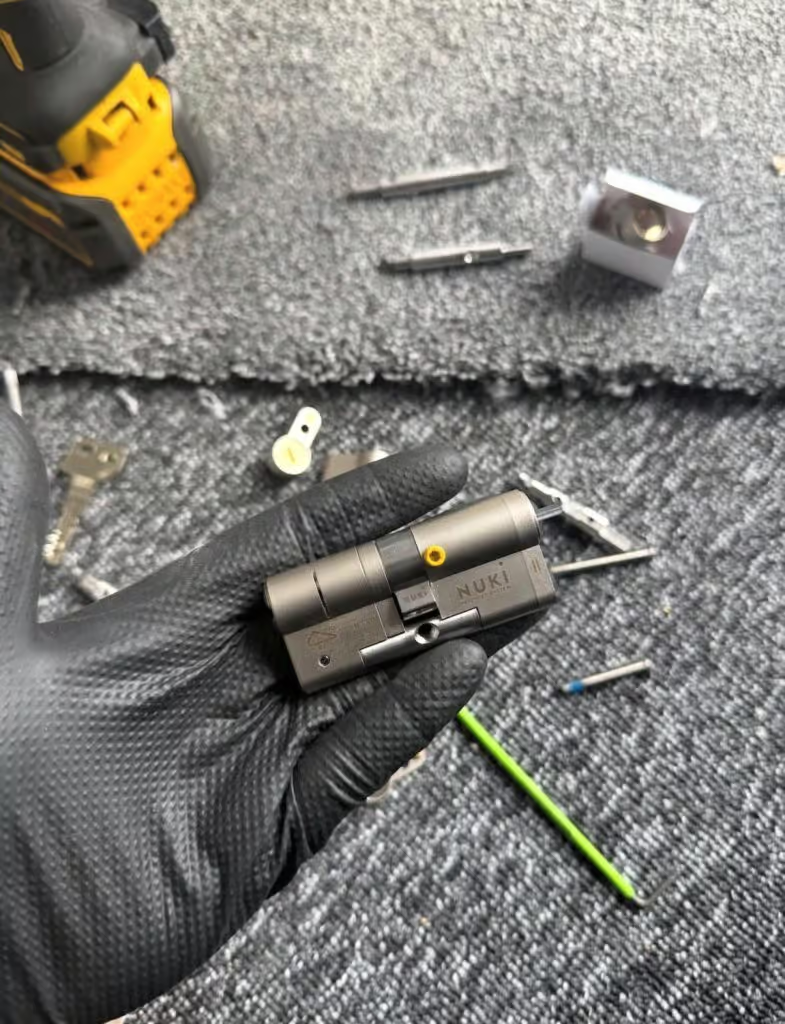
- You can’t verify how many keys are in circulation. Outgoing tenants may have cut spares for partners, family, cleaners or friends over the course of a tenancy, and not every set gets handed back — sometimes because they’ve genuinely forgotten one exists.
- It’s a duty of care to incoming tenants. A new tenant has a reasonable expectation that they, and only people they’ve chosen to give a key to, can get into the property. That expectation is only met if the locks have actually changed since the last occupant.
- It protects you as the landlord. If a property is entered by someone using a key from a previous tenancy, the question of what reasonable steps you took beforehand matters — both in insurance terms and in terms of your obligations as a landlord.
- It’s a cheap step relative to the risk. Set against rent, void periods, and refurbishment costs between tenancies, changing the locks is a minor cost that closes a real gap.
Replace cylinders or whole locks, across a portfolio
For a single property this is often a simple choice, but across a portfolio it’s worth having a consistent policy:
- a cylinder change keeps the existing lock hardware and changes the internal pins so old keys stop working. It’s cheaper per property and fine for locks that are in good condition, reasonably new, and already meet an acceptable security standard.
- Replacing the cylinder or lock outright is the better default for older locks, or where you want a portfolio-wide minimum security standard rather than assessing each lock individually every time.
Many landlords with several properties find it simpler to set a minimum standard once — for example, all final exit doors fitted with anti-snap, British Standard or TS007-rated cylinders — and then replace up to that standard at each changeover, rather than deciding case by case. It’s more consistent, easier to document, and removes the guesswork for whoever’s managing the changeover, whether that’s you or a letting agent.
See our lock replacement and upgrades page for the cylinder types and security ratings suitable for rental properties.
What good practice looks like at each changeover
- Change the external locks — or at minimum their cylinders — between every tenancy, without exception, regardless of how amicable the outgoing tenant was or how few keys you believe were cut.
- Check the doors as well as the locks. A lock change is a natural moment to check the door itself for wear, dropping, or damage that might otherwise go unreported during a tenancy — our door lock repair service can be handled alongside a lock change in the same visit.
- Keep a record. Note the date the locks were changed, which doors, and by whom, against each property and each tenancy. If a dispute or insurance question ever arises, this record is what demonstrates you met your duty of care.
- Standardise key numbers. Decide upfront how many keys are cut and issued at each changeover, note the number in the tenancy paperwork, and ask for them all back at the end. This makes the next changeover’s “how many keys exist” question much easier to answer honestly.
- Consider a key safe for managed access. If you or a letting agent need routine access for inspections, maintenance or viewings without cutting more tenant keys, a securely installed key safe is a practical solution — see our key safe installation page for how these are fitted and used safely.
Managing this across multiple properties
For landlords with several properties, the administrative side is often the harder part, not the locksmith work itself. A few things that help:
- Batch changeovers where the calendar allows it. If several tenancies end around the same time, arranging lock changes together can be more efficient than one-off call-outs.
- Use the same locksmith consistently. Familiarity with your properties and your standard specification speeds up every future visit and keeps quality consistent across the portfolio.
- Keep the paperwork with the property, not the tenancy. A running log per property — every lock change, every change the cylinder, every key count — is more useful long-term than records filed per tenant.
When to call a locksmith
Whether it’s a single buy-to-let or a larger portfolio, getting the locks changed properly and promptly between tenancies is one of the more straightforward ways to protect both your tenants and yourself. Max and the team work with landlords and letting agents across the area regularly, and can advise on a sensible minimum security standard if you don’t already have one — £85 plus parts if any are needed, no call-out fee, and the same price wherever you are across Nottingham, Derby, Mansfield, Loughborough and the surrounding towns and villages. Most changeovers are completed on the first visit, with the price agreed upfront, which makes budgeting across several properties straightforward. Check areas covered to confirm we reach your properties.
Frequently asked questions
Are landlords legally required to change locks between tenants?
There isn’t a blanket legal requirement in every case, but it’s widely considered best practice and forms part of a landlord’s general duty of care to provide a secure property. It also reduces your own liability if a former tenant’s key is ever used without permission.
Should I change the cylinders or fully replace locks between tenants?
a cylinder change is fine for locks in good condition that already meet a reasonable security standard. Many landlords with multiple properties find it simpler to set one minimum security standard and replace up to it at each changeover, rather than deciding case by case.
How many keys should I give a new tenant?
There’s no fixed rule, but deciding a standard number upfront, recording it in the tenancy paperwork, and requesting them all back at the end makes each future changeover far easier to manage honestly.
What records should I keep about lock changes?
Note the date, which doors were done, and who carried out the work, against each property. This is what demonstrates you met your duty of care if a dispute or insurance question ever comes up later.
How much does it cost to change locks between tenancies?
Max charges £85 plus parts if any are needed, with no call-out fee, and the same price across the whole coverage area — useful for budgeting consistently across a portfolio of properties.
Related: Lock Replacement & Upgrades · uPVC & Door Lock Repair · Key Safe Installation · Areas Covered
Sorted? What most readers check next
- Lock replacement — quality locks, anti-snap as standard
- Locksmith prices in Nottingham — the transparent 2026 guide
- Insurance Approved Door Locks: BS3621 Explained
- Are Anti-Snap Locks Worth It? A Straight Answer
Need it sorted today? Call 07552 421433 — £85 + parts (+ VAT), no call-out fee, same price 7 days.