




A Guide to Lock Replacement Costs
When a lock fails, a key goes missing, or a tenant hands back the keys, the first question is almost always the same: how much is this going to cost? Getting a clear answer on lock replacement cost in the UK is harder than it should be, because the price you see quoted online is rarely the price you actually pay. The lock itself is only part of the job. The type of door, the grade of lock, the condition of the existing hardware and whether you are replacing like for like or upgrading all move the final figure. This guide breaks down what really drives the cost so you can judge a quote properly rather than simply chasing the lowest number.
At Max the Locksmith we quote the same way on every job across Nottingham, Derby, Mansfield and Loughborough: a flat labour charge plus the cost of any parts, agreed before the work starts. That keeps things honest, but it still helps to understand why one lock costs more than another, and why two quotes for what looks like the same job can be miles apart.
What drives lock replacement cost?
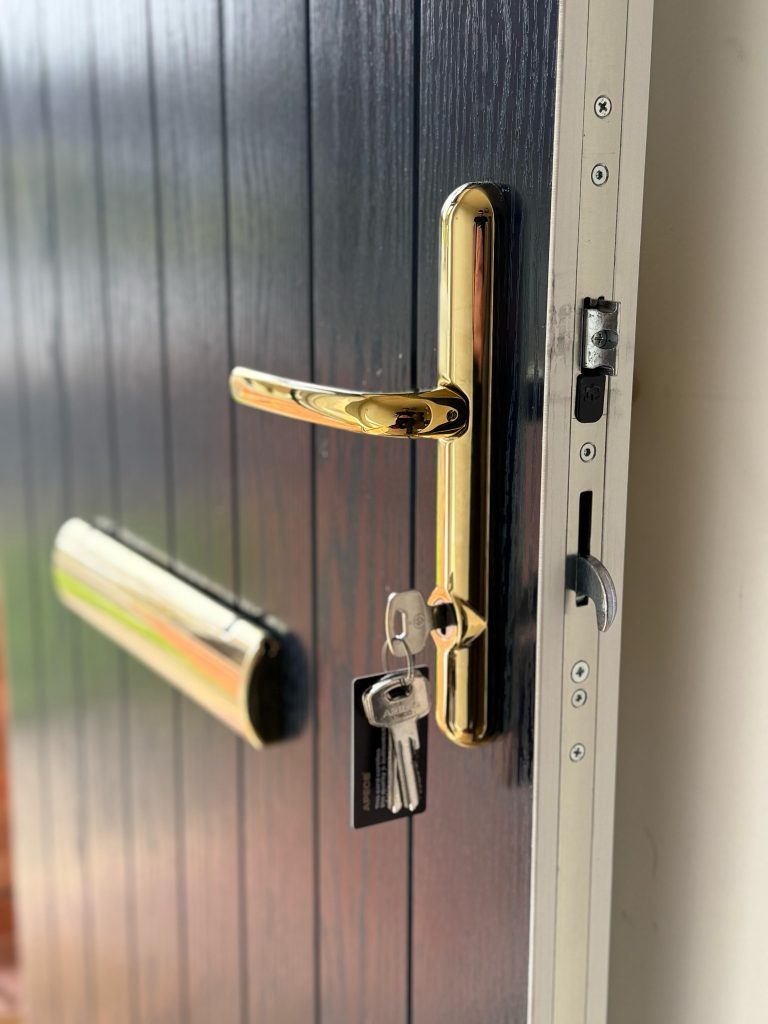
Three things set the price of any lock replacement: the lock, the labour, and the state of the door around it.
The lock itself is usually the biggest variable. A basic euro cylinder for a uPVC door is inexpensive. A high-security anti-snap cylinder rated to TS007 3-star or SS312 Diamond costs more because it is a more sophisticated, independently tested product. A British Standard five-lever mortice lock is different again, and prices climb with brand, size and security rating.
Labour depends on how the job goes. A cylinder that comes out cleanly on a well-aligned door is quick. A seized lock, a dropped door, or fixings that have corroded in place turn a simple swap into a longer job. That is not padding; real doors rarely behave like showroom samples.
The condition of the door matters more than people expect. If the handle is loose, the keeps are worn, or the door is dragging, a proper fix may involve more than just the lock. Ignoring that is how people end up paying twice.
Typical lock replacement costs by type
The table below gives realistic fitted ranges seen across the UK for common jobs. Treat these as guidance, not fixed quotes: the actual figure depends on your specific door, the grade of lock you choose, and what the locksmith finds on the day. Every one of these ties back to our own simple model of a flat labour charge plus parts.
| Job | Typical fitted range (guide) | What moves the price |
|---|---|---|
| Standard euro cylinder (uPVC/composite) | Around £75–£130 | Cylinder grade; whether the old one comes out cleanly |
| Anti-snap euro cylinder (TS007 3-star / SS312) | Around £100–£170 | Brand, certification, size |
| Nightlatch (timber door) | Around £85–£140 | Basic vs British Standard; keep and alignment work |
| Mortice lock (timber door) | Around £110–£190 | Five-lever BS3621 rating; extraction of a failed lock body |
| Full multipoint mechanism (uPVC/composite) | Around £150–£350+ | Make, strip length, discontinued parts, door adjustment |
uPVC and composite doors deserve a special mention, because people often assume the cylinder is the whole lock. Sometimes it is a simple cylinder swap. Just as often the real fault is the multipoint mechanism, the handle mechanism, or the alignment of the door, and that is a bigger job. It is the single most common reason two quotes look wildly different: one has priced a cylinder, the other has priced the full mechanism. Our separate lock replacement page covers the uPVC scenario in more detail.
How the £85 plus parts model works
Rather than juggling separate call-out fees, hourly rates and out-of-hours surcharges, Max charges a flat £85 plus parts if any are needed. There is no call-out fee, no premium for evenings or weekends, and the same price applies right across Nottingham, Derby, Mansfield, Loughborough and the surrounding East Midlands.
In practice that means the labour is a known quantity before Max arrives, and the only variable is the part. Swap a like-for-like cylinder and the parts cost is modest. Choose an anti-snap upgrade and it is a little more. Need a full multipoint mechanism and the part is dearer because it is a larger, more complex component. Whatever the job, the price is agreed with you before any work begins, so there are no surprises, and most jobs are completed in a single visit with a twelve-month warranty on parts and labour.
When a repair is cheaper than a replacement
Not every faulty lock needs changing, and honest advice here saves real money. A sticking key might mean a worn cylinder, but it could just as easily be poor alignment, a dropped door, a tired handle spring, or a failing multipoint mechanism. On uPVC and composite doors especially, many lock problems begin with the door not closing correctly rather than the lock being the wrong part.
On timber doors, a loose nightlatch, a badly fitted keep, or movement in the frame can make a perfectly good lock feel faulty. In these cases a door lock repair or an adjustment is enough, and replacing the lock without addressing the real cause leaves you paying for a part that will not fix the problem.
That said, repair is not always the sensible choice. If the lock is low quality, badly worn, damaged after a break-in, or no longer meets the security you want, replacement is the better investment. Our after-burglary service covers the situations where replacing and upgrading is clearly the right call.
Why cheap is not always cheapest
The lowest quote is not always the cheapest outcome. A budget cylinder may be fine on a low-risk internal door, but on a main entrance it makes more sense to fit something that resists snapping, drilling and everyday wear. A cheap lock that fails during a tenancy or a cold snap can cost more in repeat visits than fitting a decent one once.
Equally, not every door needs the most expensive lock on the market. The right approach is to match the lock to the door, the risk and the budget. A good locksmith should explain the options in plain English rather than upselling the dearest product on the van. The questions worth asking on any quote are simple: is this a basic cylinder or a high-security upgrade, is fitting included, and is there a warranty on parts and labour?
When to call a locksmith
It is worth getting a lock looked at before a small problem becomes an expensive one. Contact a locksmith when:
- The key has started sticking, turning only halfway, or the handle has dropped.
- The door catches or needs lifting before it will lock.
- Keys have been lost or stolen, or you have moved into a new property.
- A lock has been damaged in a break-in or an attempt.
- You want to upgrade to anti-snap or British Standard locks for security or insurance.
Describing the fault clearly when you book helps a great deal: whether the key turns, whether the handle moves, whether the door is open or shut, and whether the problem came on suddenly. That lets Max arrive with the right parts and give a more accurate price from the start. For urgent jobs, our emergency locksmiths in Nottingham attend the same day.
Frequently asked questions
How much does it cost to replace a lock in the UK?
As a guide, a fitted euro cylinder replacement typically falls somewhere around £75 to £130, an anti-snap upgrade a little higher, and a full multipoint mechanism from roughly £150 upwards. Those are national guide ranges rather than fixed quotes. Max charges a flat £85 plus parts if any are needed, with the price agreed before work starts and no call-out fee.
Why are two quotes for the same lock so different?
Usually because they are not actually for the same job. One may cover only the cylinder while the other prices a full multipoint mechanism, or one may include a lower-grade lock, or fitting and door adjustment may be left out of the cheaper figure. Always ask exactly what is included: the grade of lock, whether fitting is covered, and whether there is a warranty on parts and labour.
Is it cheaper to repair a lock than replace it?
Often, yes. Sticking keys, dropped doors and worn keeps can frequently be repaired or adjusted for less than a full replacement. Replacement makes more sense when the lock is low quality, badly worn, damaged after a break-in, or no longer meets the security you want. Max works repair-first and will tell you honestly which route your door needs.
Do you charge a call-out fee or extra for evenings and weekends?
No. Max charges a flat £85 plus parts if any are needed, with no call-out fee and no out-of-hours surcharge. The same price applies across Nottingham, Derby, Mansfield, Loughborough and the surrounding East Midlands, whether the job is booked in advance or needed at short notice, day or night.
Should I pay more for a high-security lock?
It depends on the door and the risk. On a main entrance it is usually worth fitting an anti-snap cylinder rated to TS007 3-star or SS312 Diamond, or a BS3621 mortice lock, both for security and to satisfy many insurers. On a low-risk internal door a standard lock is often perfectly adequate. A good locksmith will help you match the lock to what you actually need.
Sorted? What most readers check next
- Lock replacement — quality locks, anti-snap as standard
- Locksmith prices in Nottingham — the transparent 2026 guide
- uPVC Door Lock Replacement Cost Explained
- Signs You Need a Lock Replacement for Better Home Security
Need it sorted today? Call 07552 421433 — £85 + parts (+ VAT), no call-out fee, same price 7 days.